Toys made of soft materials are meant for affection, cuddling, and keeping nearby.
With time, that fondness leads to accumulated dust, accidental spills, lingering smells, and general wear. Many owners are concerned that cleaning a soft toy might lessen its fluffiness, alter its shape, or strain its stitching. Others skip washing altogether, fearing they might spoil something precious.
This is precisely why we assembled this guide on upkeep and cleaning.
This piece outlines methods for sanitizing stuffed toys securely, retaining their comfortable texture, and prolonging their useful life without sacrificing coziness or quality.
Our intent is to equip you to care for plush items so they remain clean, comforting, and durable.
The Importance of Appropriate Plush Toy Upkeep
Soft toys frequently possess significant emotional attachment.
They might serve as aids for comfort, bedtime partners, gifts, or mementos linked to cherished occasions. Incorrect cleaning procedures can cause irreversible harm.
Thoughtful handling helps safeguard both the physical aspect and the sentimental worth of a plush friend.
Inspect the Plush Toy Before Any Cleaning Action
Prior to washing any soft toy, it is vital to assess its existing condition.
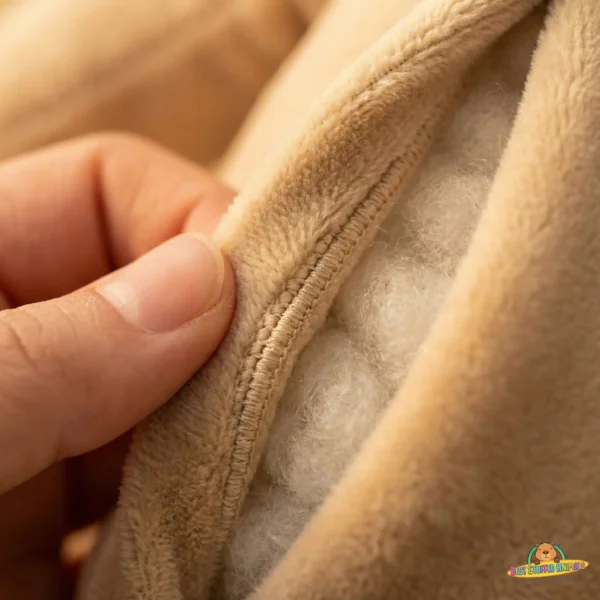
Some plush items can handle a machine wash, while others call for hand-cleaning or surface spot treatments only. Examining the seams, the textile type, and any decorative accents assists in preventing harm.
If a soft toy appears delicate or aged, extra attentiveness is essential.
Safely Washing Stuffed Animals by Hand
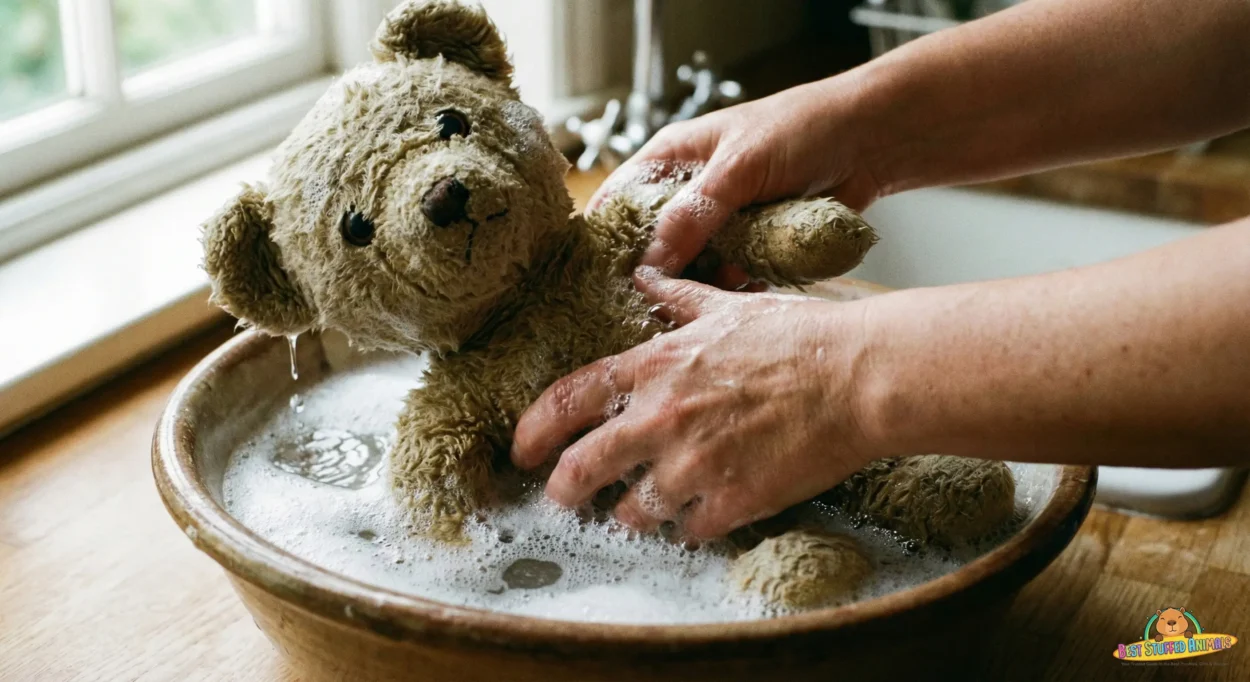
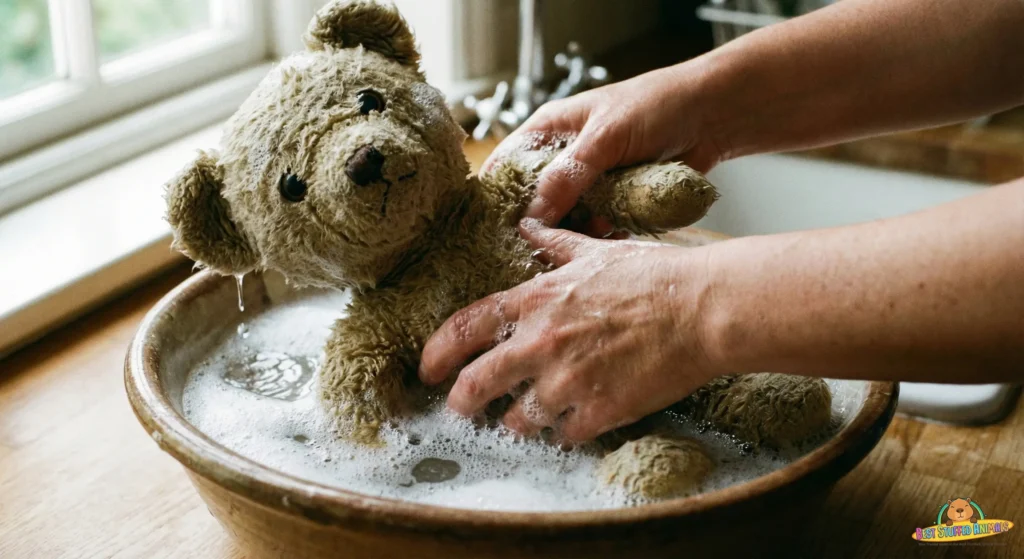
Manual washing is frequently the most prudent approach for refreshing plush toys.
Employing a gentle cleansing agent and lukewarm water helps protect the fabrics and sewn areas. Lightly pressing – rather than wringing – draws out soil while preserving the toy’s original structure.
Following the washing, excess liquid must be expelled with care.
Machine Laundering: Knowing When It’s Suitable
Certain stuffed animals are suitable for laundering in a machine, though not all are.
Placing the soft toys inside a pillowcase or a specialized mesh bag offers added defense. Utilizing a delicate cycle setting with cold water lessens strain on the seams and material.
Aggressive agitation settings and high temperatures must consistently be avoided.
The Right Way to Dry Plush Toys Without Causing Damage
The drying phase is as crucial as the washing itself.
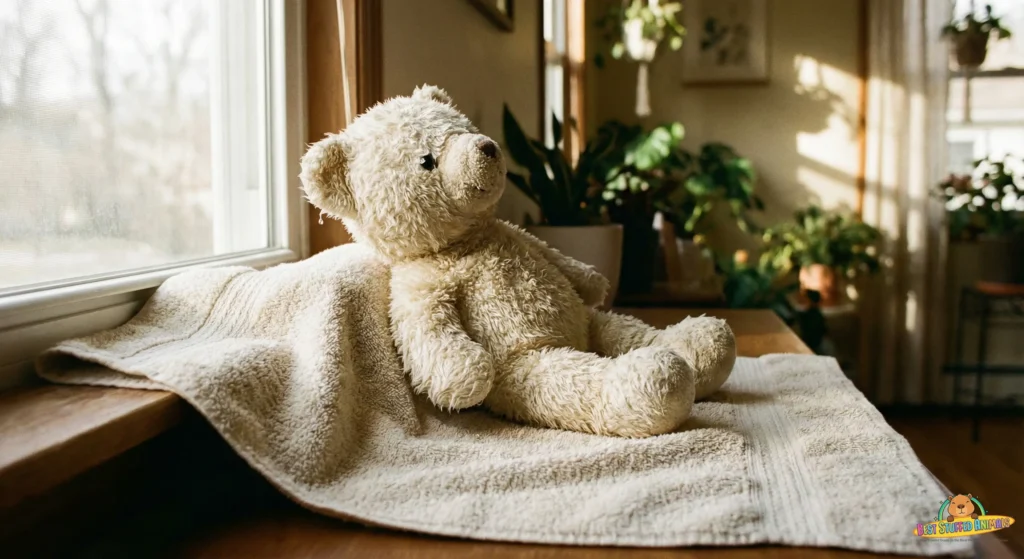
Allowing items to dry naturally is the most secure option for the majority of soft toys. Exposure to direct heat can result in shrinkage, hardening, or compromise of the internal stuffing.
Plush toys should be gently reshaped while they dry to help maintain their initial contours.
Methods for Keeping Plush Companions Soft Over Time
Softness can diminish if care is not taken.
Refraining from using abrasive cleansers, limiting the frequency of washing, and storing plush items in sanitary, dry environments all contribute to maintaining softness.
Periodic gentle shaking and light brushing can also revive surface texture.
Freshening Up Odors Without a Full Soak
Not every soft toy requires a complete wash to regain a clean scent.
A bit of airing out, applications of baking soda, or targeted stain treatment can eliminate unwelcome smells while safeguarding sensitive materials.
This approach is particularly helpful for plush toys that should not be submerged in liquid.
Advice for Storing Plush Toys for Extended Life
Correct storage safeguards against deterioration.
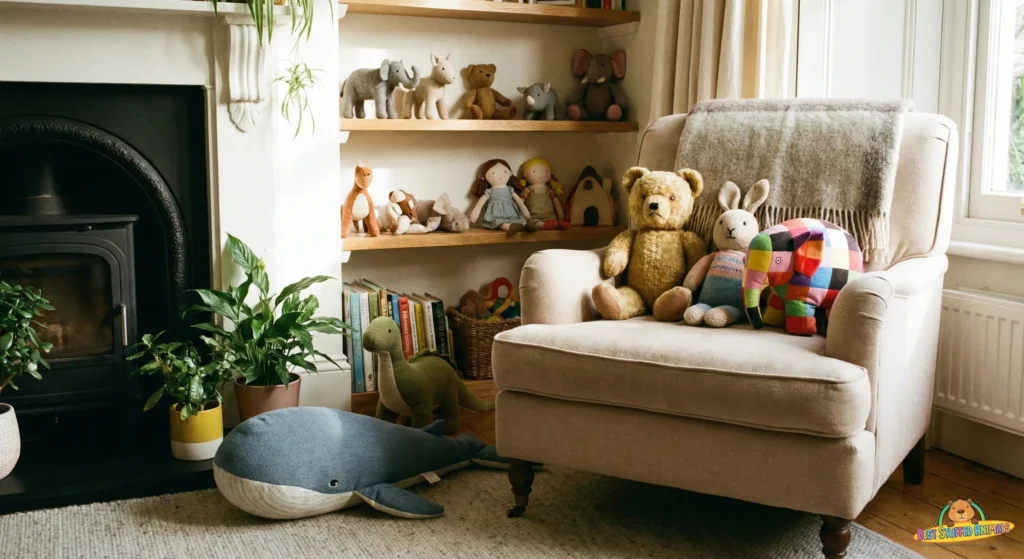
Soft toys should be kept away from dampness, intense direct sunlight, and flattening pressure. Containers that allow air circulation aid in preventing musty smells and fabric wear-and-tear.
Mindful storage maintains both their visual appeal and their comforting feel.
Frequent Errors in Plush Toy Cleaning to Steer Clear Of
Certain missteps can cause lasting harm to stuffed animals.
These include the use of very hot water, powerful soaps, or high-heat drying equipment. Hurrying through the maintenance steps often results in compacted stuffing or weakened stitching.
Patience is paramount when tending to soft toys.
Concluding Thoughts
Soft toys merit considerate care.
By adopting the correct cleaning and upkeep routines, plush toys can remain soft, comforting, and cherished for many years.
This guide is intended to assist you in caring for your soft companions without the worry of compromising what makes them unique.
That is the standard we uphold at Best Stuffed Animals. 🧸💗
Hashtags
#plushcare
#stuffedanimalcleaning
#plushmaintenance
#softtoys
#beststuffedanimals
#plushielove
FAQ
Stuffed animals can be cleaned safely by checking their condition first, using gentle detergents, and choosing hand washing or delicate machine cycles when appropriate.
No. Some plush toys require hand washing or surface cleaning only, especially if they are delicate or have decorative elements.
Air drying is the safest method, as heat can damage fabric, stuffing, and stitching.
Odors can often be reduced by airing the toy out, using baking soda, or spot cleaning instead of a full wash.
Plush toys should be cleaned as needed, not too frequently, to preserve their softness and structure.