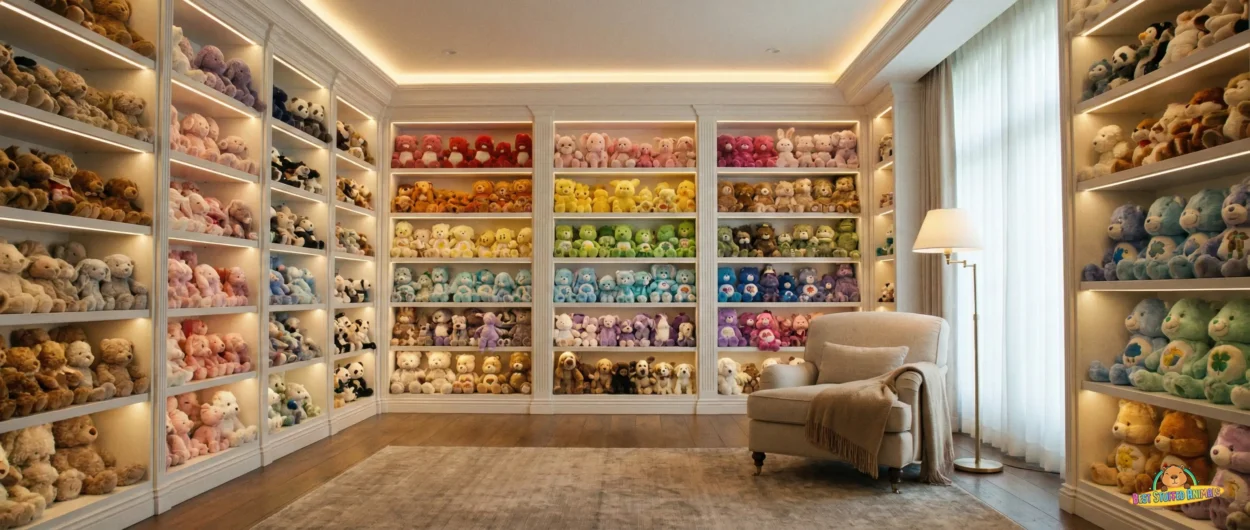
Collecting stuffed animals has gone from a fun childhood hobby to a serious obsession and a growing investment area. Building a carefully chosen collection takes more than just love for vintage teddy bears, the bright colors of kawaii culture, or the thrill of getting limited-edition releases. It takes careful planning to find things, a promise to keep them safe, and knowledge of their current market value. This important book is your complete guide to the world of plush collecting. It gives you professional advice on how to make, care for, and enjoy your soft treasures so that they stay in great shape for years to come.
Starting Your Journey: Finding Your Collecting Focus
The first step in putting together a meaningful collection is to figure out what you are really interested in. The market has everything from well-known brands to one-of-a-kind items made by individual artists. A collection can quickly get out of hand and become too much to handle if it doesn’t have a clear focus. Some collectors go for “Top-Tier Plushies” from well-known brands like Squishmallows and Jellycat, while others look for “Trendy Plushies” that are becoming popular on social media. By figuring out what you like-like a certain character, brand, or visual theme like “Kawaii”—you can make a display that tells a different story.
Understanding Value: Market Grades and Scarcity
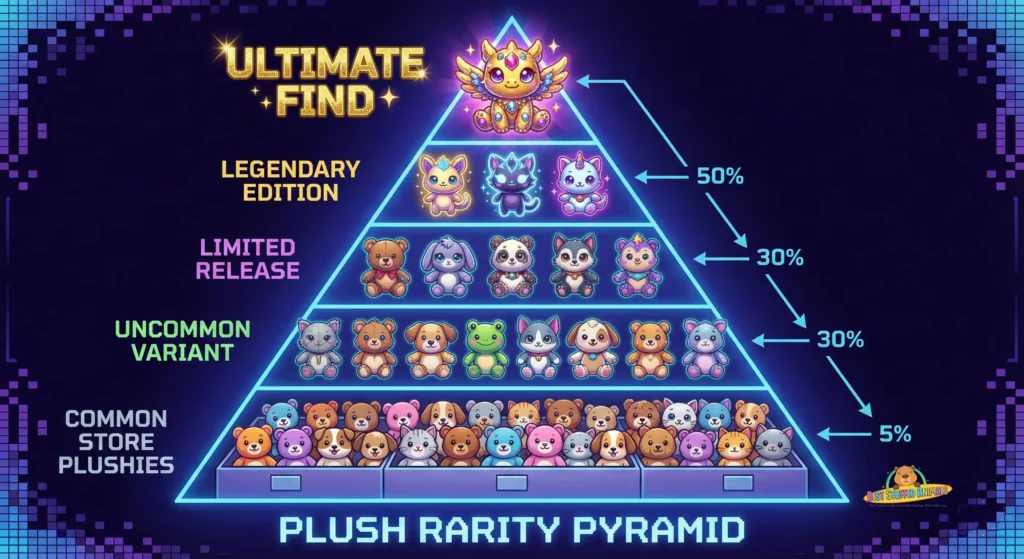
For serious collectors, understanding the many levels in the plush market is important for long-term happiness. There are three main types of collectibles: mass-produced products, items that are only made in small batches, and unique, one-of-a-kind (OOAK) pieces made by an artist. “Shopping Guides” and general gift-giving are great for high-volume items, but smaller manufacturing runs tend to keep their value better over time. Knowing the difference between a regular retail sale and a “Time-Sensitive Release” from a niche maker will help you get the most out of your money and find truly one-of-a-kind items.
Mastering the Search: Tips for Finding and Buying Things
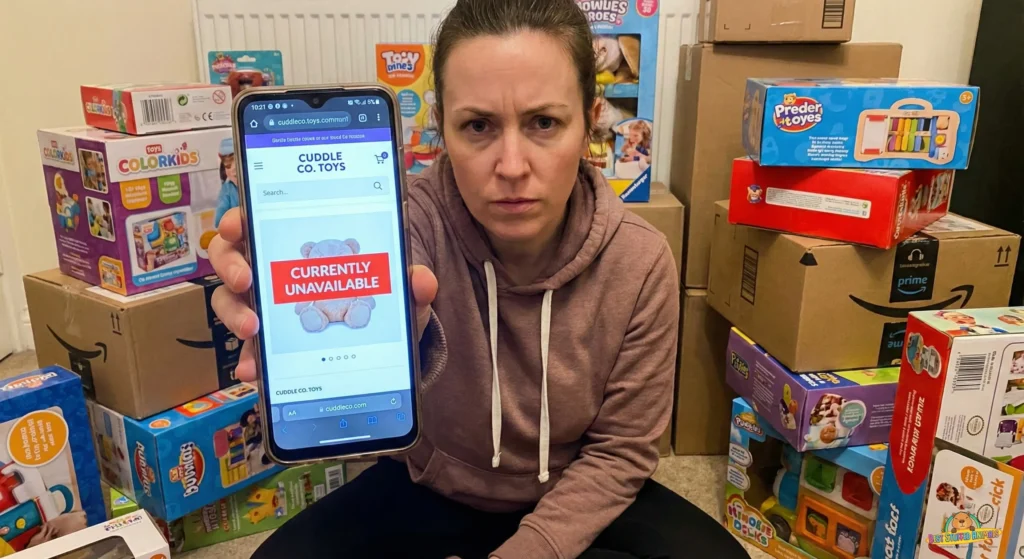
To find the right object for your collection, you frequently need to be able to see the future and act quickly. Experienced collectors use a number of different ways, such as keeping an eye on “Promotion Codes,” reading “Item Reviews,” and joining community groups where information about secret releases spreads first. It’s just as important to know where to buy as it is to know what makes a good find. You may make sure you don’t miss out on trendy things that disappear just after they go public by getting to know trustworthy sellers and keeping an eye on “Limited-Time Opportunities.”
Getting the Most Out of Your Savings: Using Coupons and Deals
Being smart about collecting means being cognizant of your finances. Smart collectors don’t usually pay full price for new items that come out. Instead, they wait for seasonal sales or use “Special Discounts.” You can increase your buying power by keeping an eye on “Voucher Codes” on different platforms. This lets you use extra money to buy more desirable “High-Value Plushies” or custom commissions. This method makes it easier to build a bigger, better collection without the financial stress that frequently comes with enthusiast hobbies.
How to Turn a Pile into a Gallery: Arrangement and Presentation
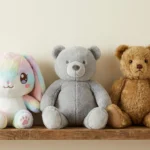
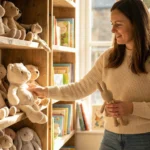
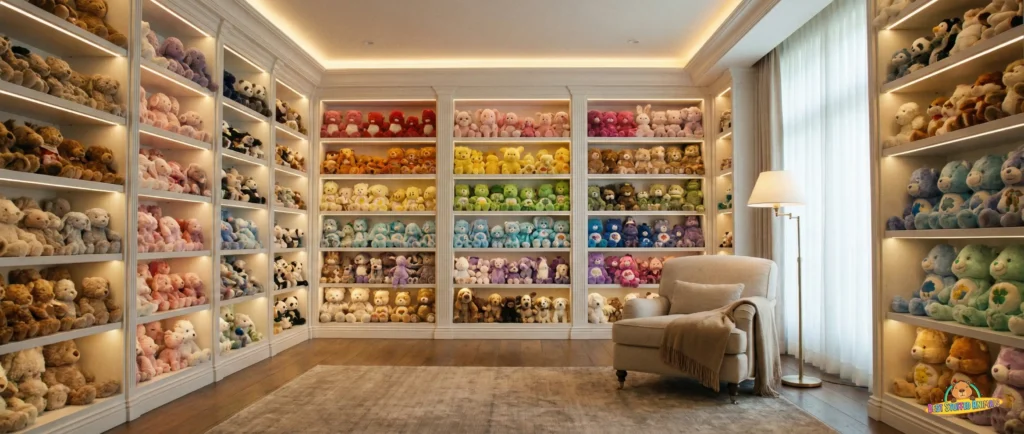
As your collection grows, the way you show off your pieces changes. Putting your toys in a pile is not enough for a good presentation. It means using vertical space wisely, choosing the right lighting, and putting things in order by theme. Using tiered shelving, glass cabinets with doors, or special “plushie nets” can turn a messy room into a professional show. This not only protects your belongings, but it also makes your “Kawaii Living” space more pleasant every time you walk in.
The Point of Thematic Showcasing
You can change the look of your collection with thematic displays depending on the season or your mood. For instance, you may put the spotlight on “Festive Editions” or seasonal data throughout certain months. This keeps things feeling fresh and stops your eyes from getting tired. You can interact with your collection in new ways by putting things together by theme, brand, or simply by calling them “Comfort & Stress-Relief Plushies.” This way, each piece has its time to shine.
Keeping it in Perfect Shape: Protection and Care
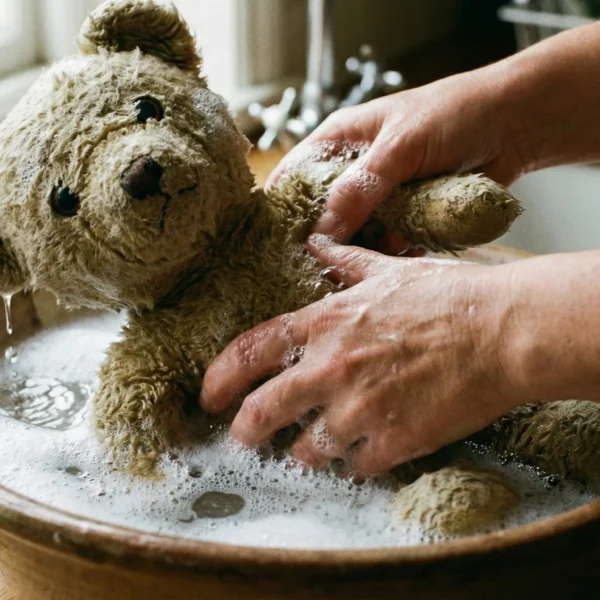
The physical condition of a plush toy is very important to any committed fan. Dust, bright light, and humidity may all damage materials and make colors fade over time. Following a regular “Care Routine” is important to keep your assets valuable. This includes regular, gentle dusting, staying out of direct sunlight to reduce UV damage, and understanding whether to trust a “Product Evaluation” about cleaning products. If you take good care of your “Premier Plushies,” they will look “Nearly New” for many seasons.
Best Ways to Handle and Store
How you treat your soft friends is important. Some collectors only look at high-value things, while others wear white cotton gloves to keep their skin oils from ruining delicate fabrics. Choose permeable cotton storage bags instead than sealed plastic containers, which can trap moisture and help mold grow. These important “Collecting Insights” will help you keep your assembly in great shape and see how valuable it is over time.
The Emotional and Social Parts of Collecting
Collecting plush toys is more than just gathering things; it makes you feel like you belong and helps your mental health. Many fans find comfort in their “Comfort and Calming Plushies,” which help them deal with stress and anxiety. Engaging with the community through “Store Reviews” or sharing your latest find on social media connects you with like-minded individuals worldwide. This social aspect turns a solitary hobby into a shared experience, enriching the “Kawaii Lifestyle” and providing a sense of belonging within the collector community.

FAQs
Value is determined by rarity, brand (like Jellycat or Squishmallows), condition, and whether original tags are attached. Check recent “sold” listings on secondary markets for current pricing.
Spot cleaning with a damp cloth and mild soap is safest. Avoid washing machines for rare items unless specified by the manufacturer, as heat and agitation can ruin delicate synthetic furs.
Yes. For collectors, “Mint with Tags” (MWT) status significantly increases the item’s value. Consider using plastic tag protectors to prevent the cardboard from creasing.
Keep your collection out of direct sunlight. UV rays are the primary cause of fabric fading and fiber degradation. Use UV-protected display cases for your most valuable pieces.
Use breathable cotton bags or acid-free boxes. Avoid plastic bins, which can trap moisture and lead to mold or a “musty” smell over time.
Join community groups, follow your favorite brands on social media for “secret drops,” and use “Coupon Codes” or “Limited-Time Deals” from trusted specialty retailers.
Hashtags
PlushieCollecting #StuffedAnimalCare #KawaiiLifestyle #PlushieCommunity #CollectorTips #JellycatCollector #Squishmallows #ToyCuration #PlushieDisplay #KawaiiAesthetic #PlushieMaintenance #RarePlushies #ToyHobby #PlushieLove #CollectionGoals #KawaiiRoom #StuffedAnimals #Hobbyist #PlushieStorage #DecorTips #GiftGuides #PlushieDeals