
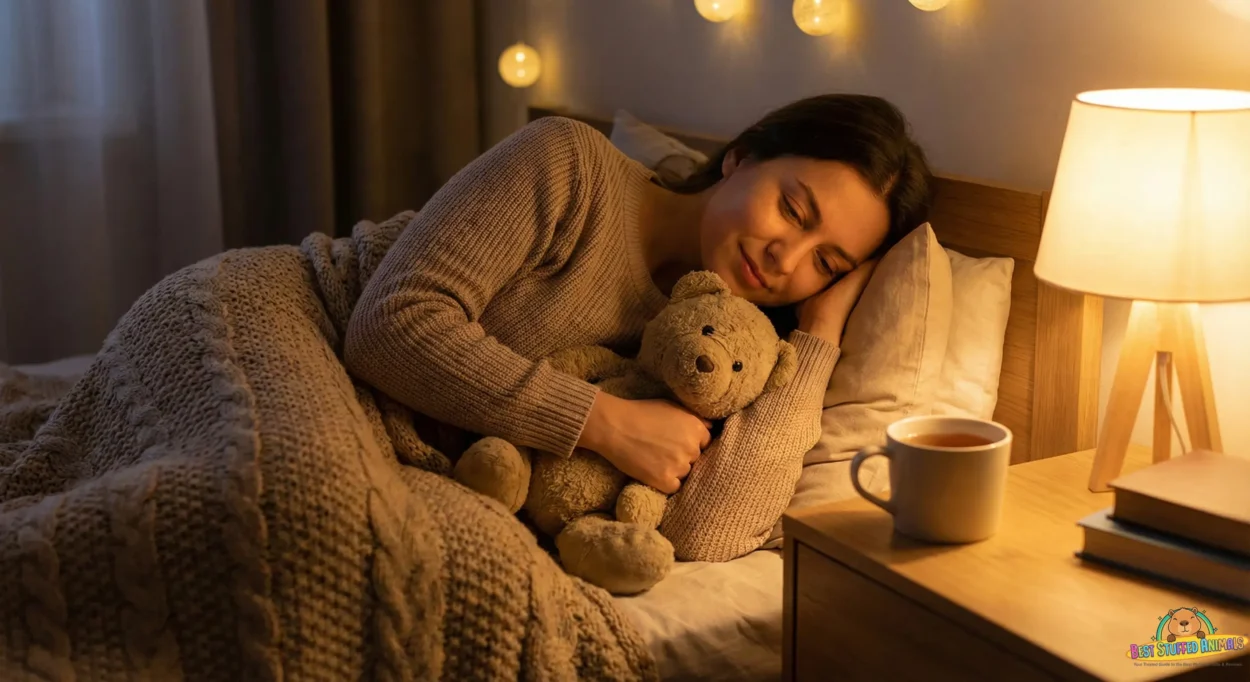
In a world that moves fast and demands a lot from us, anxiety has become part of everyday life for many people.
Children feel it.
Adults feel it.
Sensitive and neurodivergent people feel it deeply.
And often, what people are really searching for is not a solution that fixes everything — but something that makes them feel safe in the moment.
This is where plushies come in.
Stuffed animals are not childish comforts. They are emotional tools. The right plushie can help calm the nervous system, ground overwhelming thoughts, and create a sense of safety when emotions feel too big.
This guide explores why plushies help with anxiety, how they support emotional regulation, and how to choose the best comfort plushies for both kids and adults.
Understanding Anxiety and the Need for Comfort
Anxiety is not just “worry.”
It can show up as restlessness, racing thoughts, tightness in the chest, trouble sleeping, sensory overload, or a constant feeling of being on edge. For many people, anxiety lives in the body as much as it lives in the mind.
Comfort objects help because they speak to the body first.
Touch, softness, and pressure can send calming signals to the nervous system. When the body feels safer, the mind often follows.
Plushies work quietly. They don’t demand attention. They don’t ask questions. They simply exist — offering comfort without judgment.
Why Plushies Are Effective for Anxiety Relief
Plushies help with anxiety for several important reasons.
Soft Touch Calms the Nervous System
Holding something soft can activate the parasympathetic nervous system, which is responsible for rest and relaxation.
Soft textures can reduce stress responses, slow breathing, and lower feelings of overwhelm. This is especially helpful during moments of anxiety or panic.
A plushie provides gentle sensory input that helps the body feel grounded.
Deep Pressure Brings Emotional Regulation
Many plushies offer light to moderate pressure when hugged.
This pressure can feel stabilizing and reassuring, similar to a weighted blanket but more personal and portable. It helps some people feel “held” when emotions feel out of control.
This is one reason plushies are often helpful for neurodivergent individuals and highly sensitive people.
Plushies Create a Sense of Safety
Anxiety often comes from feeling unsafe — emotionally, mentally, or physically.
A familiar plushie becomes a symbol of safety. It represents comfort, predictability, and consistency. When everything else feels uncertain, holding something familiar can bring relief.
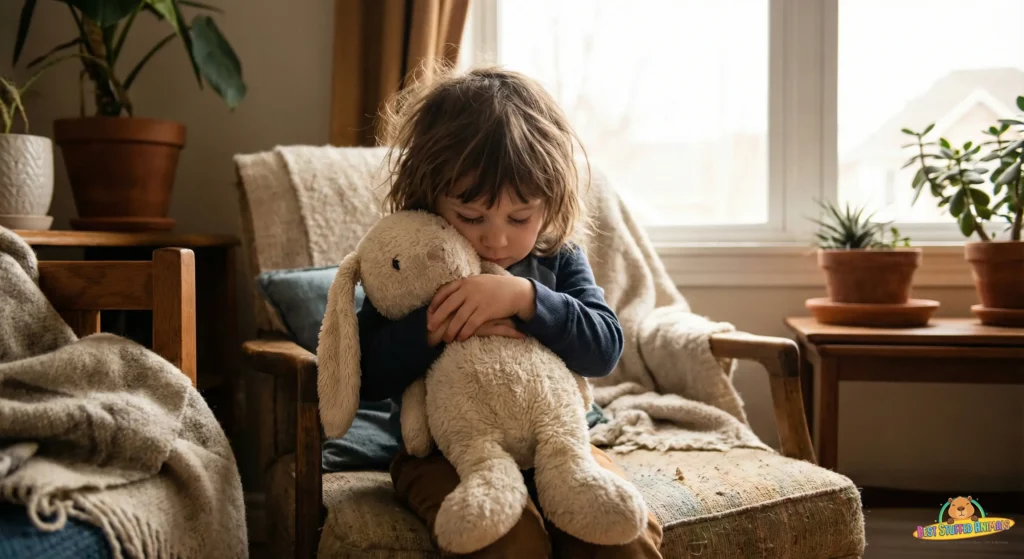
Plushies for Anxiety in Children
Children often don’t have the language to explain anxiety.
Instead, they show it through clinginess, meltdowns, sleep struggles, or withdrawal. Plushies give children a way to cope without needing words.
A stuffed animal can help a child feel brave during new experiences, such as starting school, sleeping alone, or visiting unfamiliar places.
Plushies allow children to self-soothe in ways that feel natural and safe.
Plushies for Anxiety in Adults
Adults experience anxiety differently, but the need for comfort remains the same.
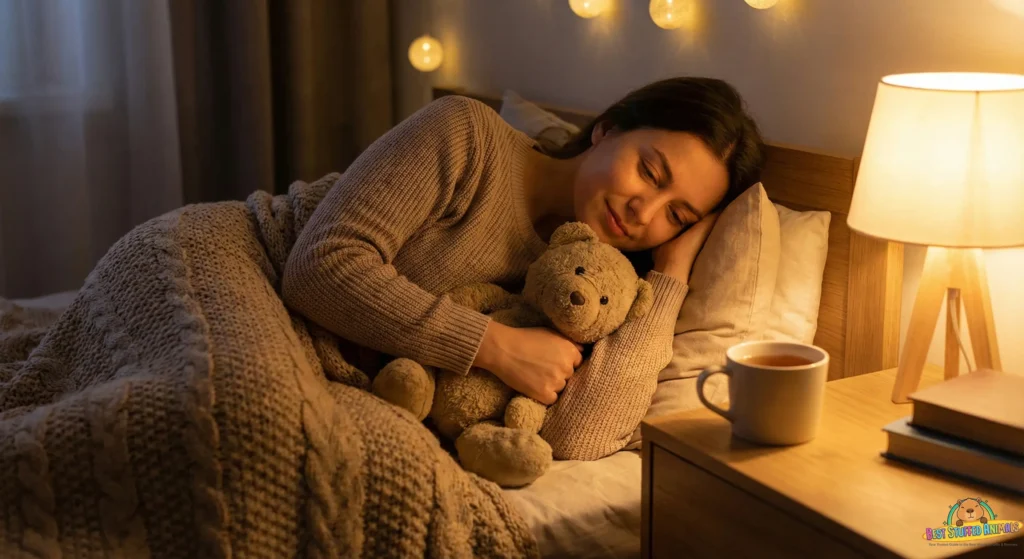
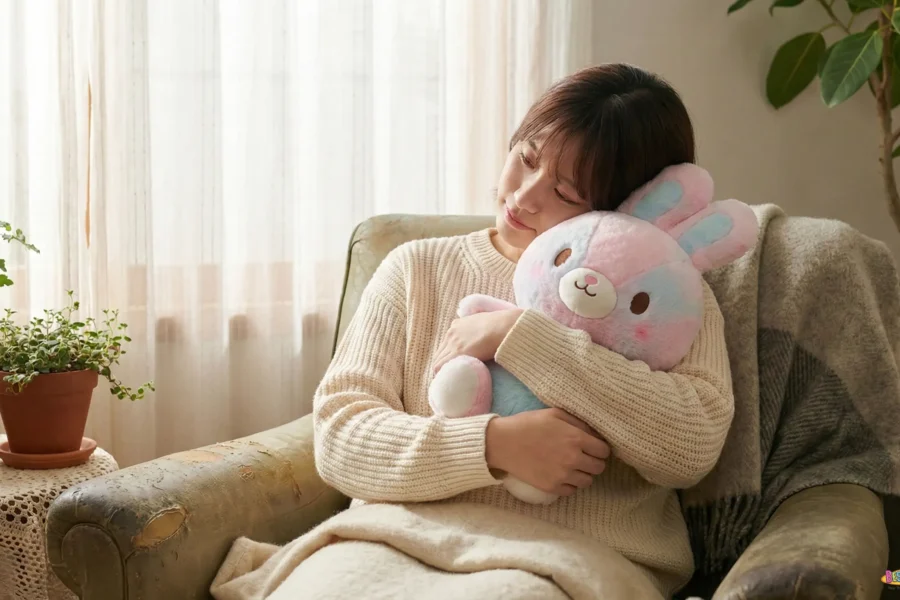
Many adults use plushies privately — at night, during stressful moments, or when emotions feel overwhelming. Plushies offer non-verbal support and grounding without shame.
There is nothing childish about needing comfort.
For adults, plushies can help with:
• Stress after long days
• Anxiety before sleep
• Emotional regulation during burnout
• Loneliness and emotional fatigue
Comfort does not expire with age.
The Science Behind Comfort Objects
Comfort objects, sometimes called transitional objects, have been studied for decades in psychology.
They provide emotional continuity. They help people feel connected, grounded, and regulated during stress. Plushies are a modern extension of this concept.
When anxiety rises, the brain looks for signals of safety. A plushie can become one of those signals.
This is especially true for people who are highly sensitive, neurodivergent, or emotionally aware.
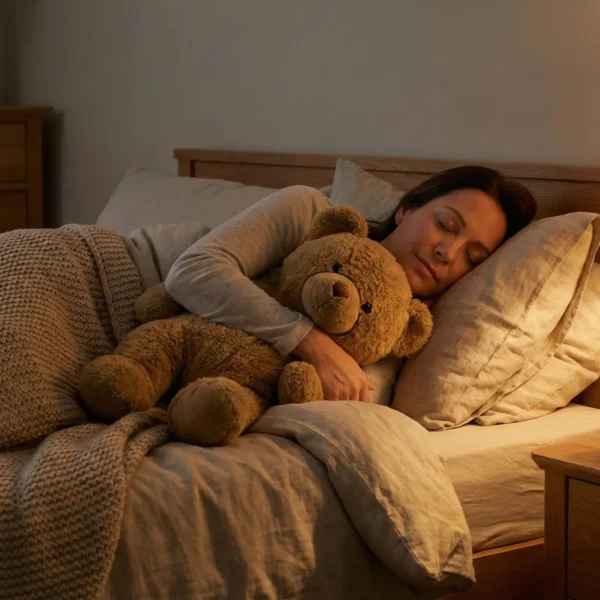
Plushies and Sleep Anxiety
Sleep is one of the times anxiety shows up most strongly.
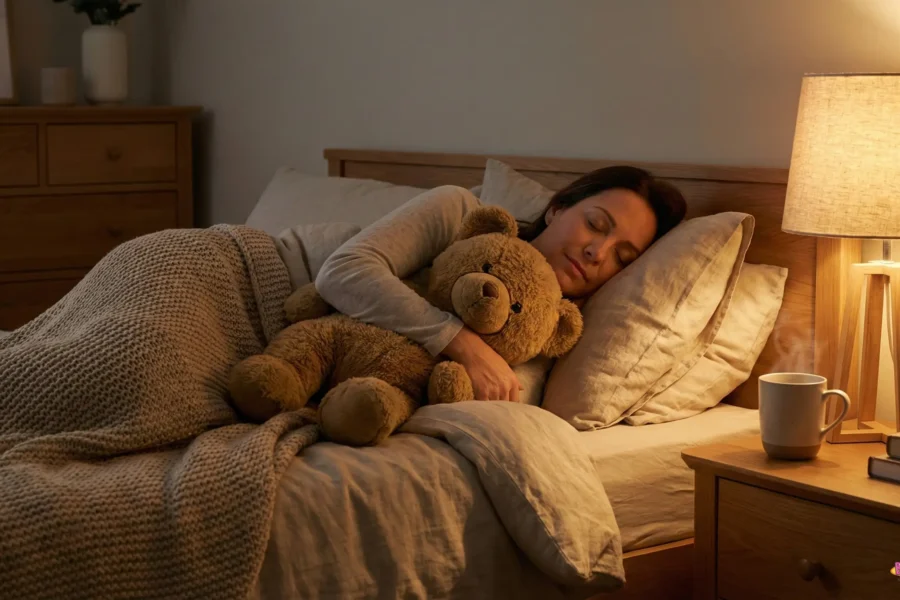
The mind slows down, distractions fade, and thoughts get louder. For both kids and adults, plushies can help make bedtime feel safer.
Holding a plushie can:
• Reduce nighttime anxiety
• Create a calming bedtime ritual
• Improve sleep quality
• Provide comfort during insomnia
A plushie does not force sleep. It simply makes rest feel less lonely.
Plushies for Neurodivergent and Highly Sensitive People
For neurodivergent individuals, sensory comfort is not a luxury — it’s a need.
Plushies can help regulate sensory input, provide predictable texture, and reduce overstimulation. Many autistic and ADHD individuals find plushies grounding during moments of overwhelm.
Highly sensitive people often absorb emotions deeply. Plushies can act as emotional anchors, offering stability when the world feels too loud or sharp.
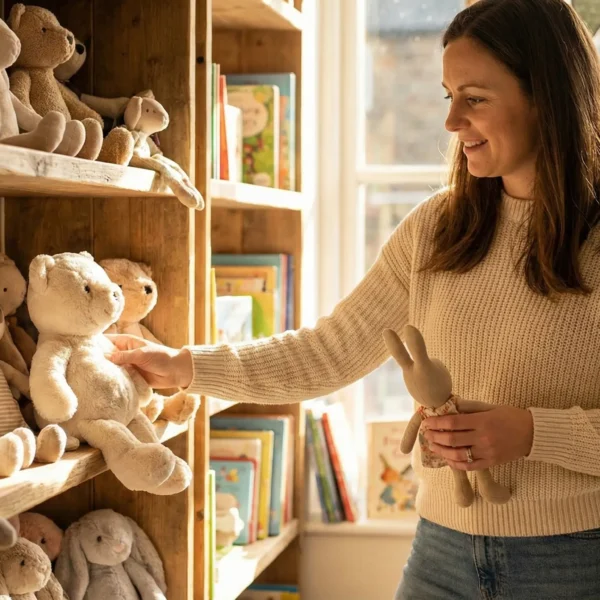
Choosing the Best Plushies for Anxiety and Comfort
Not all plushies are equally comforting.
When choosing a plushie for anxiety, consider the following:
Texture
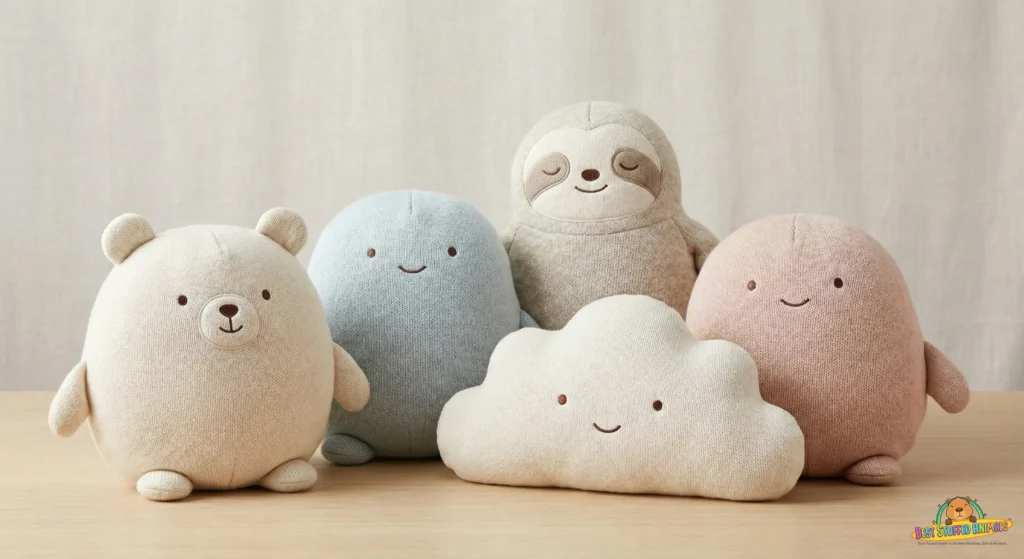
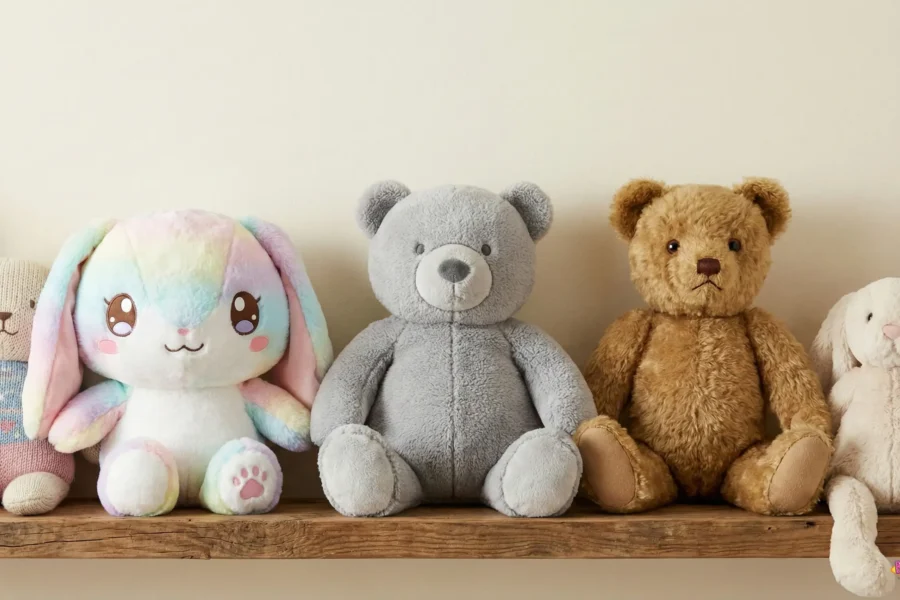
Soft, gentle fabrics are essential. Avoid rough or overly firm materials.
Size
Medium to large plushies are often more comforting because they provide more surface area and pressure.
Design
Simple, friendly designs tend to feel more calming than busy or overstimulating ones.
Emotional Response
The most important factor is how the plushie feels emotionally. If it brings calm, it’s the right one.
Why Plushies Are Not a Replacement — But a Support
Plushies are not a cure for anxiety, and they don’t replace therapy or professional care.
But they are powerful tools for self-soothing, emotional regulation, and daily comfort. They work alongside other supports, not instead of them.
Sometimes, the smallest comforts make the biggest difference.
Why We Talk About Plushies and Mental Health
At Best Stuffed Animals, we believe comfort should be normalized.
Softness is not weakness.
Needing reassurance is not failure.
And loving plushies is nothing to outgrow.
We talk about plushies and anxiety because real people use them, real comfort matters, and emotional well-being deserves gentleness.
Final Thoughts
Plushies help with anxiety because they meet us where we are.
They don’t rush us.
They don’t judge us.
They simply stay.
In a world that can feel sharp and overwhelming, something soft can make all the difference. 🧸💗
Hashtags
#plushies
#comfortplushies
#anxietyrelief
#emotionalcomfort
#mentalhealthsupport
#selfsoothing
#neurodivergentfriendly
#stuffedanimals
FAQ
Yes. Plushies can help reduce anxiety by providing soft tactile comfort, emotional grounding, and a sense of safety during stressful moments.
Absolutely. Many adults use plushies for stress relief, emotional regulation, and better sleep, especially during periods of overwhelm or burnout.
Soft plushies with simple, calming designs and medium to large sizes tend to work best for anxiety because they provide gentle pressure and comfort.
Plushies are not a medical treatment, but holding something soft during a panic episode can help ground the body and slow breathing for some people.
Yes. Many neurodivergent individuals find plushies helpful for sensory regulation, emotional grounding, and managing overstimulation.
Completely. Comfort objects are a healthy and common way for both children and adults to self-soothe and feel emotionally safe.


Sign up